If you’re seeking advanced treatments for nerve-related pain or to enhance control of prosthetic limbs, you might be interested in tmr surgery. Targeted Muscle Reinnervation (TMR) surgery has been a significant breakthrough for amputees, providing them with newfound functionality and relief. Whether you’re an amputee or someone involved in their care, understanding TMR surgery can offer valuable insights into its benefits and applications.
Enhancing prosthetic limb control and functionality
TMR surgery is designed to reassign nerves, allowing for better control of prosthetic limbs. Essentially, nerve endings that once controlled the now-missing limb are surgically connected to remaining muscles. This creates new muscle targets that respond to the signals from the brain. When the brain sends a signal to move the missing limb, it instead activates these new muscle targets. The reinnervated muscles then produce electrical signals that can be detected by sensors on a prosthetic limb, making movement more intuitive and seamless.
Before the advent of prosthesis rehabilitation, prosthetic limbs were primarily controlled through mechanical inputs and basic sensors. These methods often fell short in mirroring the dexterity and range of motion of a natural limb. With TMR, there’s a considerable improvement. The technology leverages the body’s natural nerve signals, allowing for a more natural and complex range of movements. Additionally, integrating TMR with advanced prosthetic limbs can dramatically improve the user’s daily activities and overall quality of life.
Reducing pain and neuromas with TMR surgery
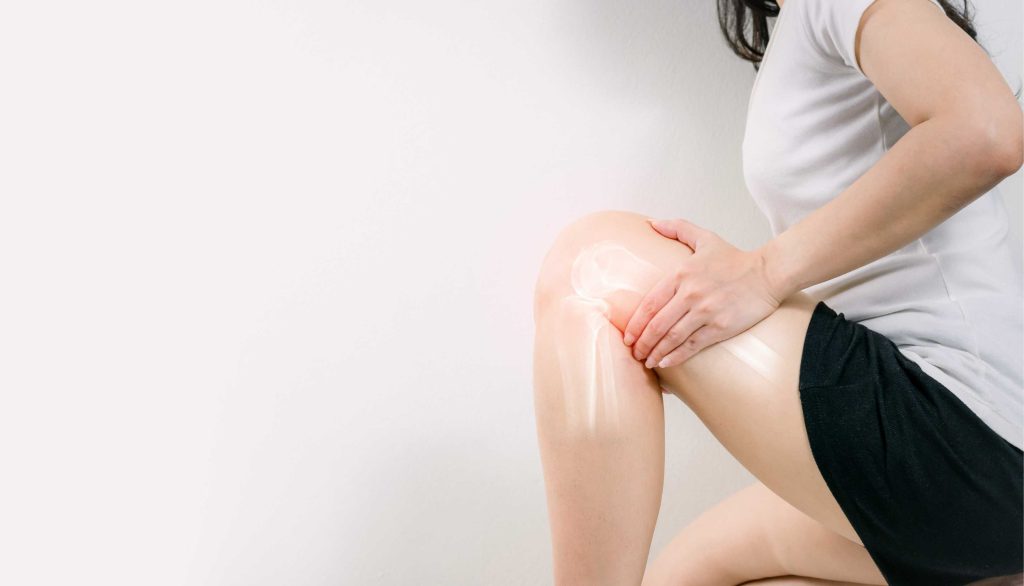
Beyond improving limb functionality, TMR surgery also plays a significant role in alleviating pain, particularly phantom limb pain and neuromas. Phantom limb pain occurs when the brain continues to receive signals from nerves that originally supplied the amputated limb. Neuromas, on the other hand, are painful nerve growths that form after an amputation. Both conditions can significantly impact an individual’s quality of life.
TMR surgery helps mitigate these issues by providing the severed nerves with new targets. When nerves are rerouted to new muscle tissue, the risk of neuroma formation decreases dramatically. Since the nerves are now actively connected to muscle and not left at loose ends, they are less likely to send erratic pain signals to the brain. This connection to active muscles also helps in reducing phantom limb pain. Many patients report a significant reduction in pain following the procedure, allowing them to focus more on rehabilitation and less on managing discomfort.
Furthermore, TMR is often performed as part of a multi-disciplinary treatment plan, including physical therapy and psychological support. This holistic approach ensures that patients receive comprehensive care tailored to their specific needs. The integration of TMR into broader treatment plans has proven to be effective in both pain reduction and functional improvement, making it a highly recommended option for suitable candidates.