In an era where technology is transforming every aspect of our lives, home security is no exception. Traditional locks and keys have served us well for centuries, but they come with limitations like lost keys or unauthorized access. Enter smart locks, the innovative solution that promises to revolutionize how we secure our homes. These devices offer keyless entry, remote control, and integration with smart home systems, making them a compelling choice for modern homeowners. But are they truly the future of home security? In this blog post, we’ll explore the benefits, challenges, and potential of smart locks in shaping safer homes.
Are smart locks the ultimate security solution?
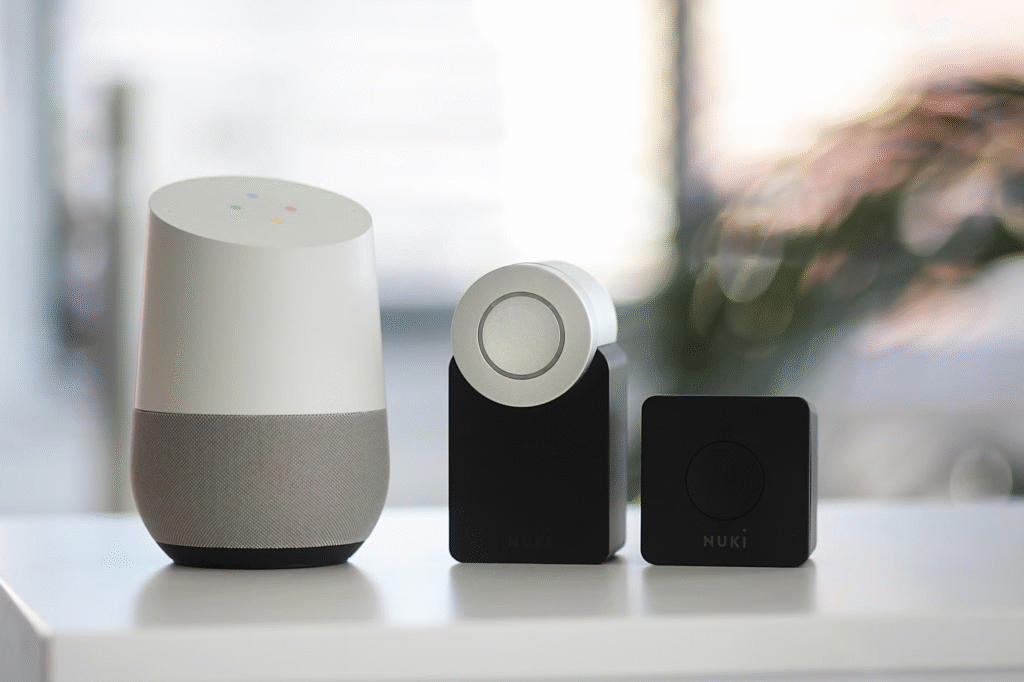
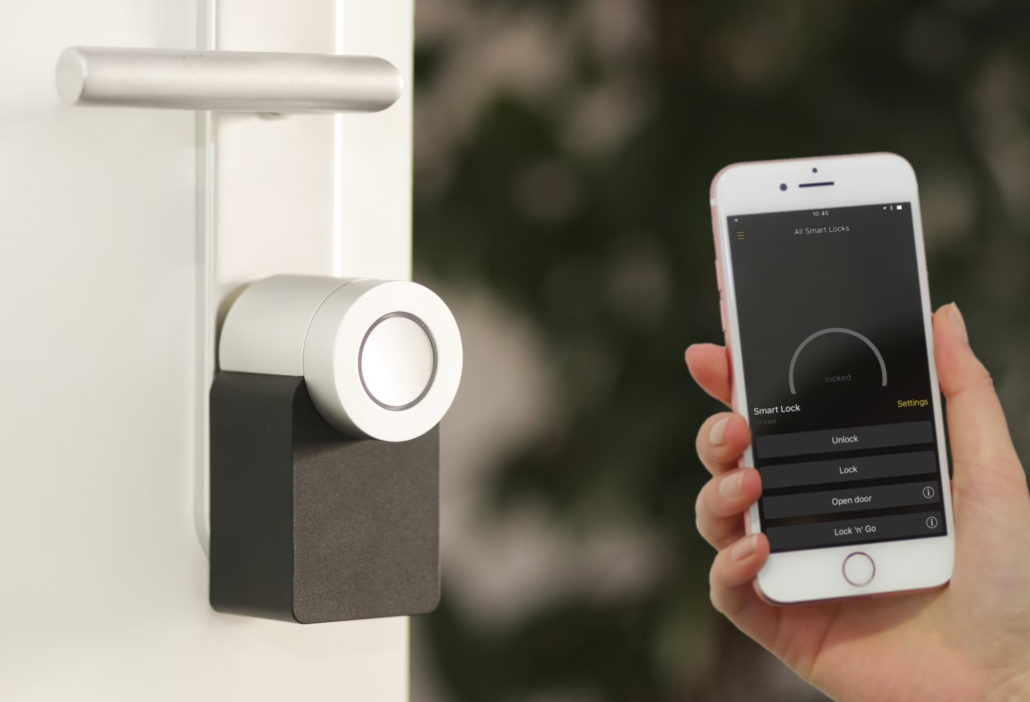
I’ve always been a bit of a tech geek, so when I first heard about Smart locks, I was intrigued. The convenience is unreal—you can unlock your door with a smartphone app from anywhere, whether you’re at work or halfway across the world. Plus, customizable user codes mean I can give temporary access to friends or family without handing over a physical key. What’s even cooler is how they sync with other devices like security cameras or alarms through platforms like Google Home. Honestly, it feels like a game-changer for keeping my place secure without the hassle of traditional keys.
What are the risks of using smart locks?
Now, I’m not gonna lie—while I love the idea of smart locks, they do come with some risks that make me pause. Hacking is a real concern; if someone gets into your Wi-Fi, could they access your lock? Then there’s the reliance on power and internet—if either goes down, you might be locked out of your own house. Privacy is another worry; I don’t love the idea of my entry data being stored somewhere. For me, living in a busy city like Amsterdam, these risks feel significant. Do they outweigh the benefits? I’m still on the fence about that one.
How do smart locks compare to traditional locks?
Comparing smart locks to traditional ones feels like pitting a smartphone against a flip phone. Traditional locks are reliable—no power or internet needed—and often cheaper upfront. But they’re a pain if you lose a key. Smart locks, on the other hand, offer ease with app control and no physical keys to misplace. I’ve used both at different places, including my old apartment near the Jordaan in Amsterdam, and honestly, traditional locks still win for simplicity in some cases. Can smart locks fully replace them soon? I think not yet—cost and tech barriers might hold them back for now.
What does the future hold for smart lock technology?
I’m pretty excited about where smart lock tech is heading. Imagine unlocking your door with just a fingerprint or facial scan—biometric access is already popping up! AI could also play a role, learning your habits to boost security. Brands like Bold Smart Lock are pushing boundaries with better encryption to tackle hacking fears. As someone who’s always checking out new gadgets at tech expos like CES online, I think these advancements could make smart locks a must-have in the next few years. They might just become the cornerstone of home security as cybersecurity keeps improving.
As technology continues to evolve, the question remains: are smart locks the future of home security? While they offer unparalleled convenience and integration with modern smart home systems, they are not without flaws, including potential cybersecurity risks. However, with ongoing advancements in encryption and biometric technology, smart locks are poised to become even more secure and accessible. For now, the decision to adopt them depends on individual needs and risk tolerance. Ultimately, as innovation progresses, smart locks could very well redefine how we protect our homes, blending cutting-edge tech with the fundamental need for safety in an increasingly connected world.