The offshore wind industry continues to grow as advances in clean energy expand, and while large projects are moving into deeper waters, the need to protect equipment for many years has increased. As floating offshore wind turbines allow energy companies to work in locations beyond shallow seas, the industry must focus on long-term asset care to avoid costly repairs and extended downtime. When developers increase the life of offshore structures, projects become more stable, more affordable, and more productive throughout their planned cycle.
The move to deeper waters
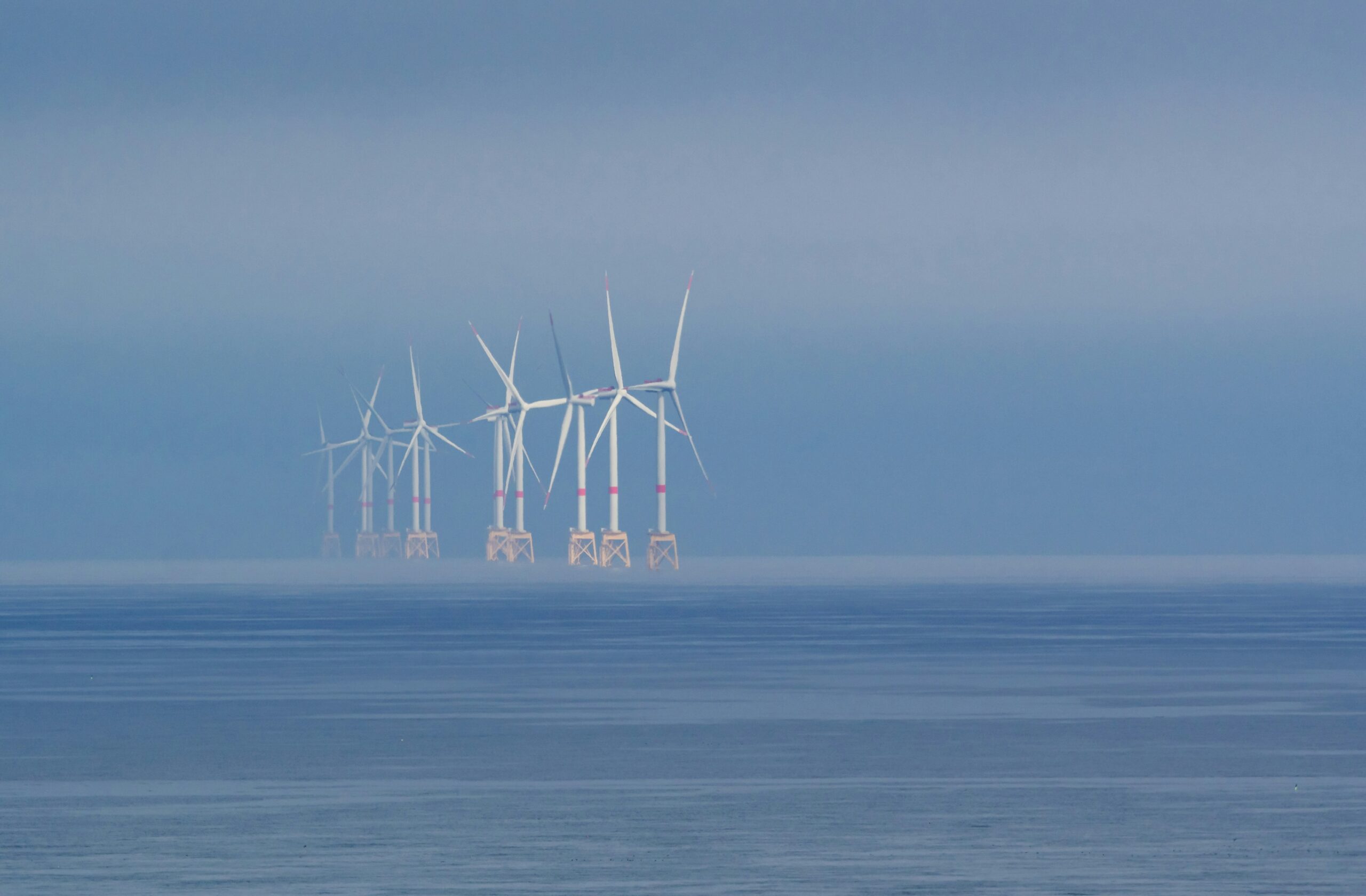
The demand for new areas with strong and steady wind has led to designs that can operate far from shore, and since many suitable sites are in waters deeper than 60 meters, companies have turned to floating structures that can work at depths once considered impossible. Although these sites offer better wind conditions, harsh sea states place greater stress on equipment, which means that long-lasting protection systems and smart maintenance plans are now essential. Because floating offshore wind turbines can operate in waters up to 1000 meters deep, the push for long-life engineering continues to shape design choices, operating models, and material selection.
Corrosion as a key challenge
Offshore metal surfaces face constant seawater exposure, and since saltwater speeds up corrosion, the risk of damage never goes away. When corrosion spreads, it weakens critical parts, shortens the life of components, and increases safety risks over time. However, when strong protection systems are installed at the start, corrosion can be slowed, controlled, and monitored in a way that protects the full structure for many decades. As a result, planning for corrosion prevention from day one remains one of the most effective ways to improve asset life.
Advanced protection systems for longer life
Modern solutions are now used to limit corrosion and reduce long-term wear, and since electrical protection systems can be monitored from land, operators can react to changes before they grow into expensive failures. Because these systems lower the need for constant physical inspections, they help reduce vessel trips, which in turn lowers operating costs and safety risks. When combined with smart sensors and real-time data, protection systems play a key role in extending the life of cables, platforms, and support structures, while also reducing material waste in the ocean.
Routine care and predictive planning
Although design plays a major role, asset life also depends on how equipment is maintained, and when teams focus on planned care instead of reactive repairs, wear can be managed before it becomes a threat. Since predictive systems can use data to forecast problems, operators gain time to act, and this leads to fewer breakdowns and longer service life. In addition, when simple cleaning, early inspections, and well-timed upgrades are built into the maintenance plan, the entire asset functions more smoothly over many years.
Design choices that extend service life
While strong metals, stable coatings, and trusted protection systems form the base of long-lasting structures, design also plays a part in creating equipment that can endure strong currents and storms. Because floating offshore wind turbines face changing weather and constant motion, designs that reduce stress on joints and cables help limit long-term fatigue. As engineering improves, smarter layouts and lighter parts will help structures handle harsh conditions with less damage over time.
Conclusion
As offshore wind projects expand into deeper waters, companies must build systems that can last through decades of exposure, and while new sites bring stronger winds, they also require long-term thinking to keep equipment safe. When corrosion control, predictive maintenance, and strong design work together, offshore assets can serve longer and deliver better results. By focusing on full-life planning rather than short-term fixes, the offshore wind industry can secure a safer and more reliable future for clean energy.