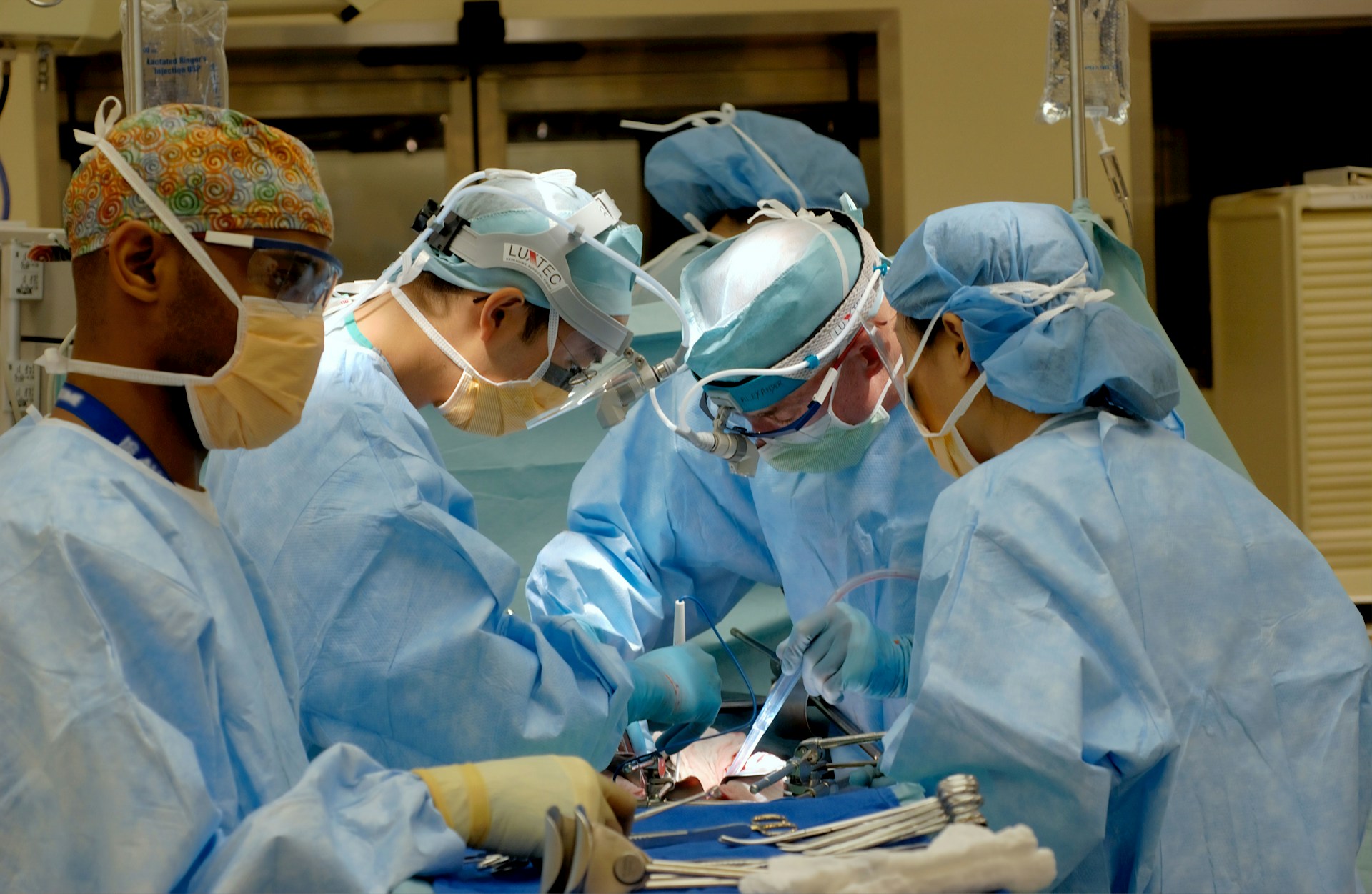
Structural heart diseases encompass a range of conditions that affect the heart’s structure, such as valves, walls, chambers, and blood vessels. These conditions can lead to significant health problems if left untreated. With advancements in medical imaging and interventions, diagnosing and treating structural heart diseases has become more effective. For more information on structural heart.
Common structural heart conditions and their impact
Structural heart conditions can be congenital (present at birth) or acquired (developing later in life). Common congenital conditions include atrial septal defects (ASDs), ventricular septal defects (VSDs), and coarctation of the aorta. These defects involve openings or narrowings in the heart’s walls, which can disrupt normal blood flow and lead to complications such as heart failure or arrhythmias. Acquired structural heart diseases often involve the heart valves. Conditions like aortic stenosis, mitral regurgitation, and tricuspid valve disease can develop due to aging, infections, or other medical conditions. Aortic stenosis, for example, involves the narrowing of the aortic valve, impeding blood flow from the heart to the rest of the body. This can cause symptoms like chest pain, shortness of breath, and fainting, significantly impacting your quality of life.
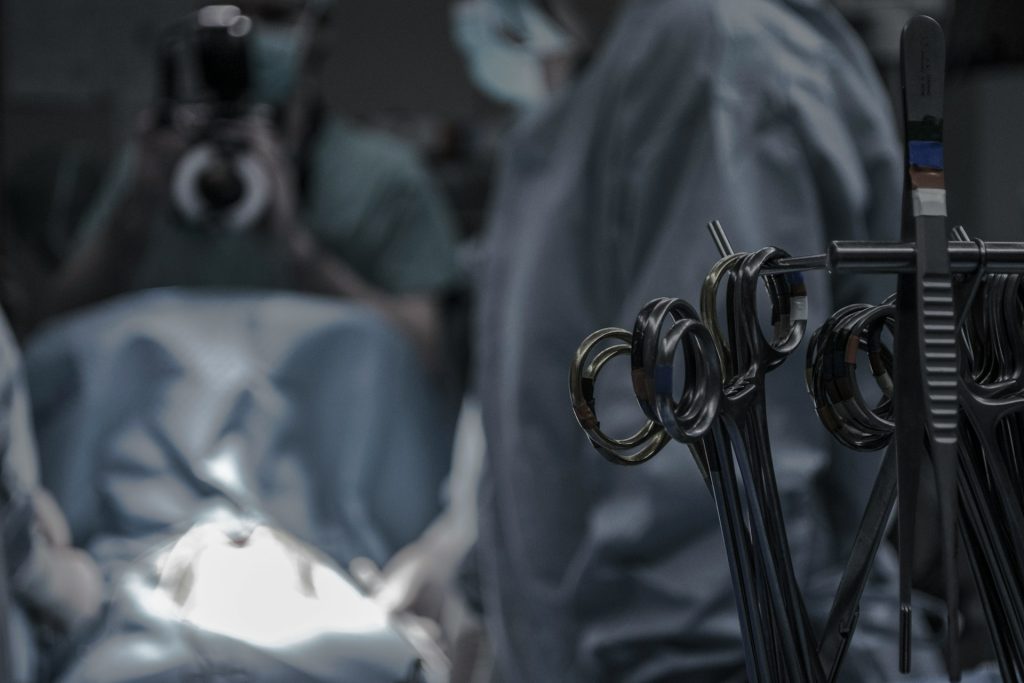
Advances in treatments for structural heart diseases
The treatment of structural heart diseases has evolved significantly, with minimally invasive procedures becoming more common. These procedures offer several benefits, including shorter recovery times, reduced pain, and lower risk of complications compared to traditional open-heart surgery.
Transcatheter aortic valve replacement (TAVR) is a prime example of a minimally invasive procedure used to treat aortic stenosis. During TAVR, a new valve is inserted via a catheter, usually through the femoral artery, and positioned within the existing faulty valve. This procedure has shown excellent outcomes, particularly for patients who are at high risk for open-heart surgery.