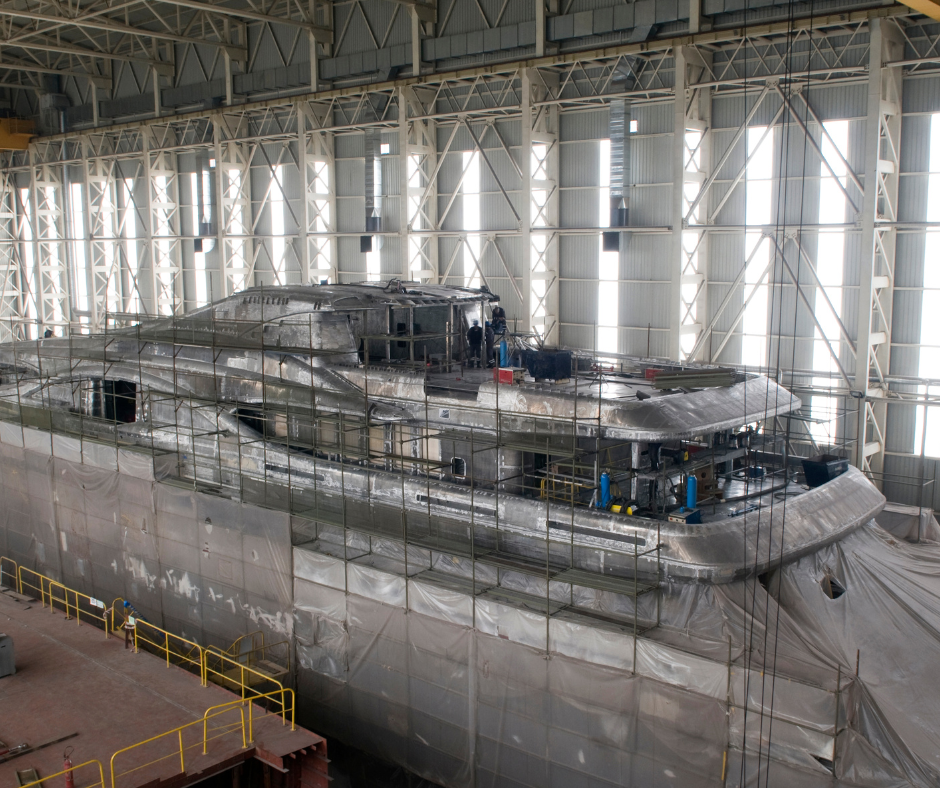
Modern shipbuilding combines advanced engineering with precision materials to create vessels that are both strong and efficient. Among the critical components that determine a ship’s structural integrity are marine steel profiles. These specially designed steel sections provide the framework for ships, ensuring stability, strength, and durability in harsh marine environments. From massive cargo ships to sleek naval vessels, the right steel profiles form the backbone of modern maritime construction.
Understanding the role and characteristics of marine steel profiles helps shipbuilders make informed decisions that affect safety, performance, and longevity.
What Are Marine Steel Profiles?
Marine steel profiles are specially shaped steel sections used to reinforce and construct various parts of a vessel’s hull and deck. They are produced in different forms, such as angles, channels, tees, and — most importantly — bulb flats. Each profile type has a specific purpose depending on the area of application.
These profiles are designed to withstand heavy loads, corrosion, and stress caused by waves and wind. They provide the necessary stiffness and strength to maintain the shape of the ship while minimizing overall weight. This balance is essential for optimizing fuel efficiency and performance at sea.
The use of marine steel profiles is governed by international classification standards to ensure that every ship built meets the highest safety and durability requirements.
The Role of Marine Steel Profiles in Shipbuilding
In shipbuilding, structure means safety. Marine steel profiles form the skeleton of the vessel, supporting the outer plating and distributing stress evenly across the structure. Without them, the hull would lack the rigidity required to endure constant mechanical and environmental forces.
Profiles like bulb flats are commonly used in the fabrication of hull structures, decks, bulkheads, and side framing. Their curved design offers superior strength-to-weight ratios compared to flat bars, reducing steel consumption while maintaining or even improving performance.
Because every vessel type demands different structural properties, marine engineers carefully select the right combination of steel grades and profile types to achieve optimal results.
Why Bulb Flats Are Essential for Modern Ship Design
Among all marine steel profiles, bulb flats stand out for their versatility and mechanical efficiency. These unique profiles feature a flat web with a rounded bulb at one end, which significantly increases resistance to bending.
Shipbuilders prefer bulb flats for several reasons:
- They reduce the overall weight of the vessel without compromising strength.
- They allow for easier and faster welding and installation compared to other profiles.
- They improve corrosion resistance when used with protective coatings or galvanization.
Their consistent geometry makes them ideal for use in both new builds and repair projects. Whether for a cargo vessel, cruise ship, or offshore platform, bulb flats provide the structural reliability modern shipyards demand.
In addition, their compatibility with automated manufacturing processes makes them a cost-effective and sustainable choice for large-scale ship construction.
The Advantages of Using Marine Steel Profiles
A well-designed marine steel profile provides several long-term advantages for shipbuilders and operators alike. These include improved safety, reduced maintenance costs, and enhanced operational performance.
Steel profiles increase the rigidity of the ship’s hull, preventing deformation under pressure and extending service life. Their standardized shapes also simplify the assembly process, ensuring consistency across sections.
Another key advantage is material efficiency. Because marine steel profiles are optimized for load-bearing performance, shipyards can reduce the total amount of steel required per vessel. This leads to lower costs and less environmental impact — a growing priority within the maritime industry.
Material Standards and Quality Assurance
Every marine steel profile used in shipbuilding must meet stringent quality and classification requirements. These standards are set by international organizations such as ABS, DNV, Lloyd’s Register, and Bureau Veritas.
Compliance ensures that the steel has the proper yield strength, toughness, and corrosion resistance to endure marine conditions. Manufacturers subject marine steel profiles to thorough testing, including ultrasonic inspection and chemical composition analysis.
This level of control guarantees that every section used in a ship’s construction performs as intended — even under the harshest conditions at sea.
Frequently Asked Questions About Marine Steel Profiles
1. What grades of steel are used for marine steel profiles?
Most profiles are made from mild or high-tensile structural steels, such as AH36, DH36, or EH36. These grades are specifically designed for use in marine environments and provide excellent strength and weldability.
2. Can marine steel profiles be customized?
Yes. Shipyards often require customized dimensions or curvature depending on vessel type. Many steel suppliers offer tailored cutting and forming services to meet exact specifications.
3. Are marine steel profiles environmentally sustainable?
When produced efficiently and used correctly, steel profiles contribute to sustainability by extending vessel lifespan and improving fuel efficiency through lighter structures. Additionally, steel is fully recyclable, aligning with global environmental goals.
4. What’s the difference between marine steel profiles and standard steel sections?
While they may look similar, marine profiles are designed specifically for maritime applications. They adhere to stricter quality standards, emphasizing corrosion resistance and load distribution under dynamic conditions.
Marine Steel Profiles and the Future of Shipbuilding
As the maritime sector evolves toward greener, smarter, and more efficient vessels, the role of marine steel profiles becomes even more significant. With the integration of advanced manufacturing technologies like laser cutting and automated welding, profiles can now be produced with extreme precision.
This precision not only improves structural integrity but also reduces material waste and production time. As a result, modern shipyards can deliver safer and more energy-efficient ships faster than ever before.
Innovations such as high-strength low-alloy steels and improved anti-corrosion coatings continue to enhance the performance of marine steel profiles. These developments ensure that ships remain lighter, stronger, and more durable throughout their operational life.
Building the Future on a Strong Foundation
Marine engineering depends on precision, reliability, and strength — and marine steel profiles provide all three. By combining advanced design, high-quality materials, and efficient production methods, these profiles form the foundation of modern shipbuilding.
Choosing the right steel profiles, including bulb flats, ensures not only structural excellence but also long-term value and safety. For shipyards and naval architects striving for performance and sustainability, marine steel profiles remain an indispensable element of success.
Strong ships begin with strong materials. Invest in quality marine steel profiles, and you’re investing in safer seas and a more resilient future for global shipping.